Environment
We are committed to reaching net zero emissions by 2040.
Greenhouse Gas Emissions
The use of fossil fuels has a negative impact on the climate due to greenhouse gas emissions, which in turn cause climate change. The global community has set a 2-degree target for global warming, and we will contribute to this through our climate goals approved by the Science Based Targets initiative (SBTi).
We aim to achieve around a 40 percent reduction in greenhouse gas emissions by 2030 and are targeting net zero by 2040. We estimate that the ferry sector accounts for roughly 1 percent of Norway’s total emissions (2024), meaning we have the potential to make a significant difference.
Technological Development
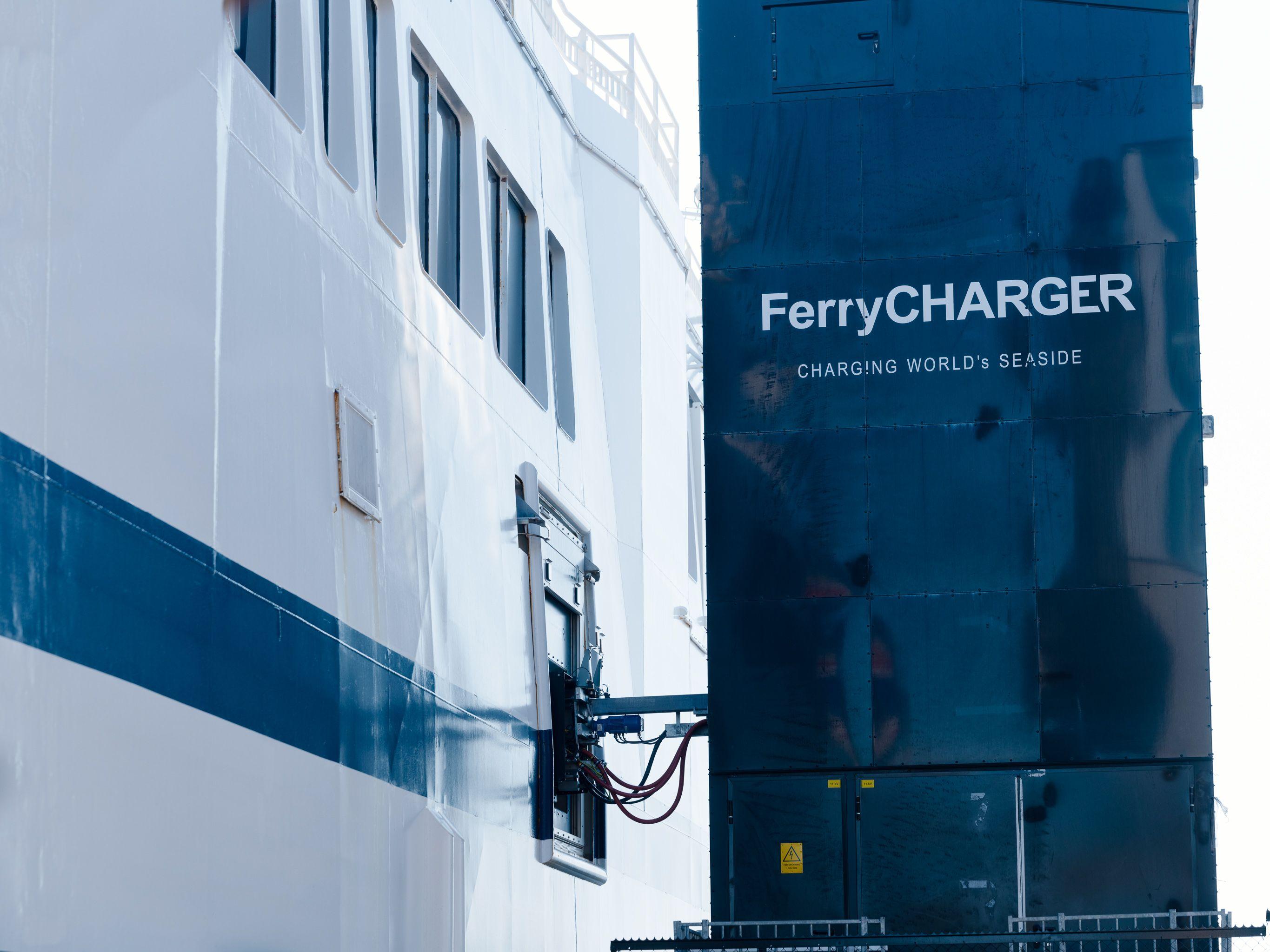
If the ferry industry is to reduce greenhouse gas emissions in a meaningful way, green technological development is required. Electric ferries are at the center of this transition – but other groundbreaking energy sources such as hydrogen are also being tested. This development creates ripple effects well beyond the ferry industry, fostering growth in maritime technology as well as broader economic growth.
In addition, a strong focus on energy efficiency in our operations contributes to reducing greenhouse gas emissions.
Business Development
To reach emission targets, authorities and contracting bodies must facilitate the transition by designing effective regulations, and subsequently by demanding competitive solutions and new electric vessels. The result is green fleet renewal, which helps phase out older vessels that would in any case reach the end of their lifetime.
The ferry industry has both the capital and the willingness to take risks needed to develop new, mature technologies. Electricity is cheaper than diesel and gas – we call on the government to accelerate the green transition at sea!
Environment
Environmental impacts from the ferry industry – beyond greenhouse gases – are primarily linked to air pollution from fossil fuels, such as nitrogen oxides (NOx), particulate matter (PM), and soot. These pollutants will largely be eliminated through the introduction of zero- and low-emission vessels.
At the same time, we maintain a continuous focus on preventing other types of pollution, such as oil spills at sea and hazardous chemicals.